

Too Late
- Teshuvah Bible Studies
- Aug 4, 2025
- 3 min read

In this week's Torah Portion, VaEtHanan וָאֶתְחַנַּן (And he pleaded), we learn about a request that is made too late. One word can change an entire perspective, especially a Hebrew word. To fully grasp the message we need to remember and understand the context:
Who is doing the pleading? Moses. What is he pleading to do? Enter the promised land. When is this happening? Right before they cross over into the promised land. What is Adonai's response? No. Why? Because of what Moses did in the past. What did Moses do? In Numbers 20:10-13, we see Moses striking the rock twice when he was instructed to speak to the rock. What happened instead? Moses is allowed to see the land, and he was told about his death before the people could cross into the land.
Even on its surface, this story is heartbreaking. Even from Adonai's perspective. It saddens His heart to have to punish Moses. As we fully understand the phrase in Hebrew, we can see that the plot thickens. The root Hebrew word for this sentence is Hen חן (grace). This changes everything. Moses didn't just plead before HaShem. He was pleading for grace. This implies that Moses knew he was guilty and was asking for undeserved favor. Adonai's response is also implied in the sentence given by Moses. Moses said, "But the LORD was angry with me BECAUSE OF YOU" in verse 26 of Deuteronomy 3. It was because of the people of Israel that Adonai rejected Moses. Because Moses' mistake was public, and it was because he failed to represent God before the people. This insinuates that if the mistake had been made privately, Adonai likely would have forgiven Moses. Because the mistake was made publicly, Adonai could not forgive. That is because a mistake made publicly reflects and influences how others act and feel towards Adonai.
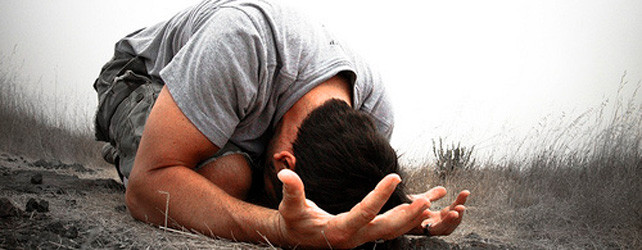
What does all the symbolism mean to us today? What is the modern message we can learn from this illustration? It is an important one, so pay close attention:
The timing of the message is closely tied to the end times because it happens before we enter into the promised land or the kingdom of Yeshua on earth. Who is being denied entry? I can see two people represented here by Moses. The first are those attempting to be saved or gain access by following the law only. Moses is a clear representation of the law, and that is an easy and clear connection, but there is more. Here, he also represents anyone who denies Christ. The link of him hitting the rock twice is very connected, for it is the very reason for the plea and rejection. We learned back in that Torah Portion that hitting the "Rock" twice (Christ) was symbolically equal to making Him die in vain. Making His sacrifice worth nothing by either rejecting or denying it, or by continuing to sin after receiving Him. So, Moses in this context represents those trying to save themselves by following the law or those who deny Christ's death sacrifice. Doing this publicly also plays a key role. We've all rejected Christ many times in our lives, but those who scream it out loud and persuade others to do the same seem to be the ones targeted here. Lastly, we still see Adonai denying them the grace they are seeking. This represents the final judgment. One day we will all stand before the Father and the Son, and we will know of our guilt before they speak. We will be surrounded by a sea of witnesses who told us about Christ or were used by Adonai as examples of what to do. We will plead for grace, but those who denied Yeshua publicly in this life will be denied entry into the Kingdom. We will have a glimpse of its glory, as Moses did, but we will be denied entry. That will make the suffering that much more apparent. The defeat will be bitter.
Yeshua said, "Therefore, everyone who confesses Me before men (some say here on earth), I will also confess him before My Father in heaven. But whoever denies Me before men (some say here on earth), I will also deny him before My Father in heaven." in Matthew 10:32-33
It is a harsh lesson that we must hearken to with urgency. Let us not make this plea when it is too late to receive His grace. And let us be EXTRA careful about what we do publicly. The repercussions may be too great, and every person around us is influenced by what we do or say, even if we think no one is watching. Have a blessed week. Shalom brothers and sisters.

Comments